Helaina is Flipping the Script for Women’s Wellness with Effera Lactoferrin

Most of our nutrition toolkit was never designed around female biology, says New York startup Helaina, which ferments microbes to create breast milk proteins for a new dawn for women’s wellness.
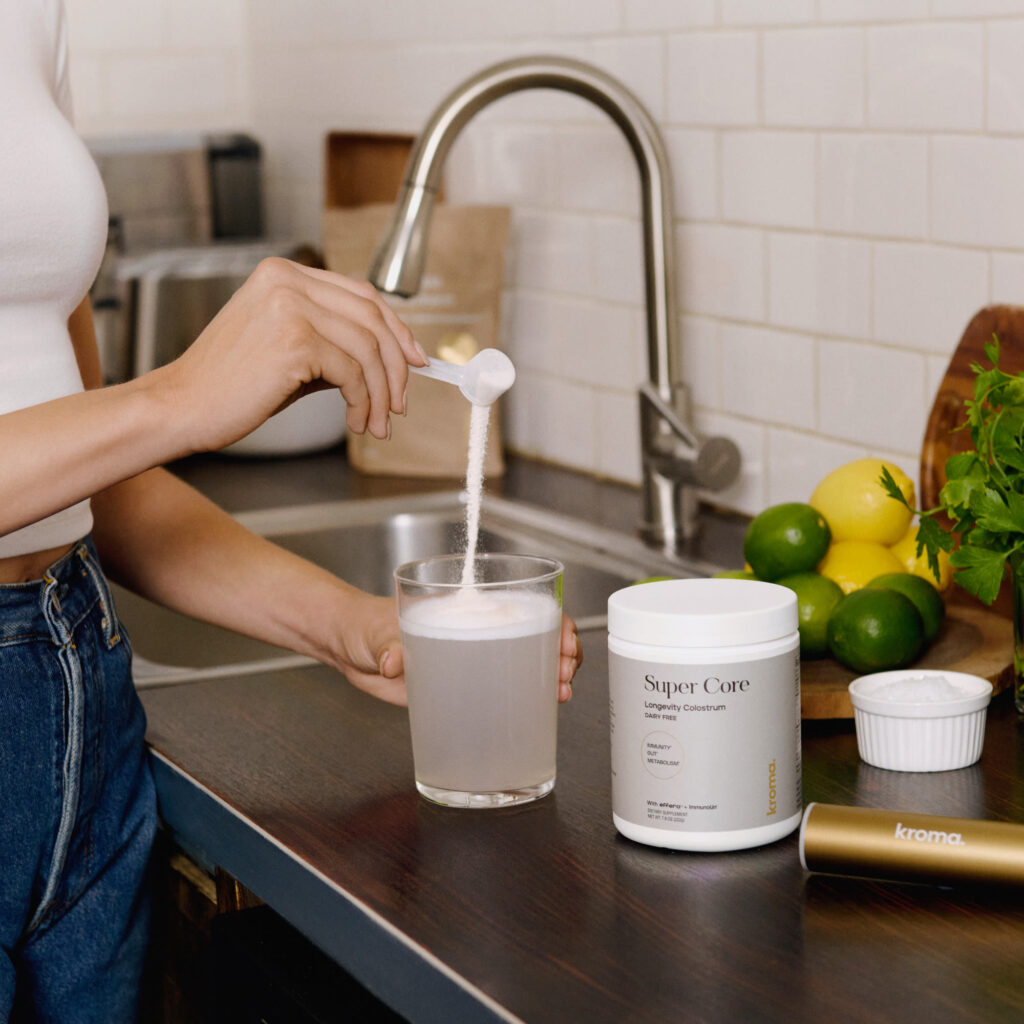
Americans can now buy vegan protein powders that sync with their menstrual cycles, dairy-free colostrum supplements for gut health and performance, and recombinant breast milk pills for menopausal support.
All these products came out in 2025, and they’re all built on one ingredient: effera.
Created by US biotech startup Helaina, this is a precision-fermented human lactoferrin ingredient that boosts iron homeostasis and metabolism, and promotes a balanced immune response and beneficial microbiome. Originally found in breast milk, this protein is known for its iron-regulating, gut health and immune-strengthening properties.
Effera can be used across an array of categories, from functional foods and infant formula to longevity and women’s health. Over the last year, Helaina has magnified its focus on the latter segment, transforming the women’s wellness space from ignored to ignited.
“Women’s health has been underserved not because women lack solutions, but because most of our nutrition toolkit was never designed around female biology in the first place,” suggests Laura Katz, founder and CEO of the startup.
“Legacy ingredients were selected based on what was readily available, inexpensive to produce, or historically studied in male populations – not on whether they optimally support women’s physiology across life stages.”
So the starting point isn’t new technologies, it’s unmet and under-addressed problems, she says. Think nutrient tolerance issues, inconsistent responses to supplementation, and biological needs that shift meaningfully across menstruation, pregnancy and postpartum, perimenopause, and menopause.
“Many existing ingredients – particularly animal proteins – are, at best, imperfect stand-ins for human biology,” says Katz. “Historically, the industry has relied on the closest available substitutes for the ‘real thing’ because, until recently, the technology did not exist to produce biologically identical molecules.
“Our effera human lactoferrin showcases what is now possible: it is an exact replica of native human lactoferrin.”
Why human lactoferrin trumps the bovine-derived protein
While it’s found in cow’s milk too, lactoferrin is available in significantly larger concentrations in breast milk, where it is gentler and more effectively absorbed. Purified lactoferrin is hard to obtain, so its supply is limited and costs are astronomical.
Precision fermentation allows companies to break through this bottleneck by inserting DNA into microbes to teach them to produce lactoferrin when fermented. Helaina ferments a yeast strain called Komagataella phaffii in bioreactors, in a process similar to beer brewing. The microbes are fed a specific set of nutrients to produce the protein, which is filtered out from the fermentation broth at the end.
“Unlike bovine-derived proteins, bioidentical proteins are designed to match the structure and function of proteins naturally present in the human body, enabling greater biological relevance, consistency, and clinical reproducibility,” says Katz.
“That distinction matters when addressing function-first outcomes women care about daily – including gut comfort, immune resilience, iron regulation, and recovery – where tolerance and precision are often the limiting factors.”
Bioidentical proteins can unlock more intentional formulation strategies, enabling ingredients to work with human physiology, not around it. “For example, pairing human lactoferrin with creatine to support both output and recovery in active women reflects a systems-level approach that is difficult to achieve with conventional bovine ingredients,” Katz explains.
How Helaina formulates products for women’s wellness
Helaina’s clinical research includes women-specific studies, rather than extrapolating from mixed or male-dominant datasets, its founder says.
How does the startup design products specifically for women’s health? “You start by respecting that women are not just one, blanket use case. They move through physiological seasons like menstruation, pregnancy and postpartum, perimenopause and menopause, athletic training, and periods of elevated stress,” says Katz.
“Designing both products and clinical studies for women means designing for tolerance, consistency, and science-based outcomes, not just branding. What we do differently starts with deeply understanding a woman’s body’s biological mechanisms.
“We prioritise ingredients that promote a meaningful health benefit to women at a specific life stage. The gut-immune-iron axis is a good example because it underpins energy, resilience, and overall wellbeing for menstruating, pregnant, menopausal, and physically active women.”
Formulation is crucial, too. “Women are often stacking products, so we care deeply about low effective doses, clean sensory profiles, and compatibility with other commonly used ingredients like iron, creatine, probiotics, collagen, and adaptogens,” highlights Katz.
“From an industry standpoint, expectations are rising. Brands want clean-label positioning, allergen-free claims, and science they can stand behind. Precision fermentation helps meet those requirements because it enables consistent supply and consistent quality, elevating the credibility of clinical trials run on the ingredients, which is critical for women’s health consumer products.”
‘Education without overwhelm’ remains a key challenge
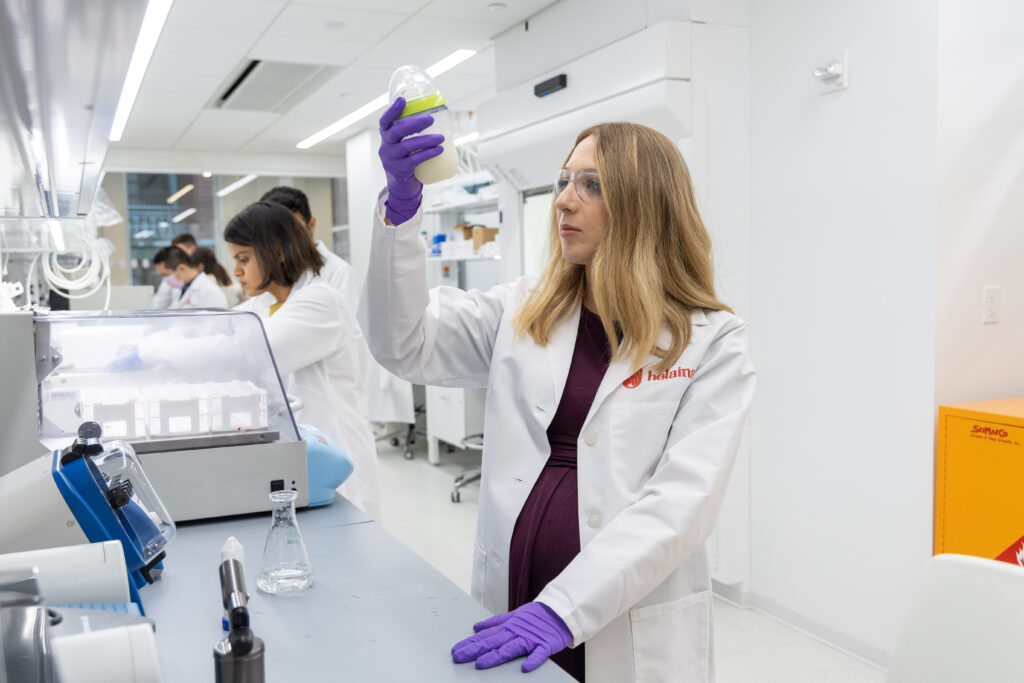
Effera is relevant to women’s health “not only because the body recognises and uses it as self, but because human lactoferrin operates across multiple, interconnected biological systems”, according to Katz.
“Human lactoferrin is estrogen-mediated, with localised endogenous production closely correlated to estrogen levels, and it plays an important role in the female reproductive system. For example, it is naturally present in vaginal secretions, where it functions as a key antimicrobial agent supporting vaginal and reproductive health,” she explains.
“As women enter perimenopause and estrogen levels begin to decline, endogenous human lactoferrin production may fall as well, reducing lactoferrin expression in estrogen-responsive tissues such as the vaginal epithelium.
“This shift makes exogenous supplementation increasingly relevant at this life stage. For premenopausal women, human lactoferrin also supports gut health, helps regulate immune responses across hormonal cycles such as menstruation, and plays a role in iron homeostasis without relying on aggressive iron loading.”
She lays out her vision of bringing recombinant human proteins to every baby and adult in the world – fermentation helps it do so by enabling it to scale production efficiently and “push the boundaries” on its yields.
The journey isn’t obstacle-free, though, as Katz points out: “One challenge is education without overwhelm. Women are informed and rightly sceptical. Human lactoferrin is powerful but still unfamiliar, so we have to make the science clear, grounded, and responsible without oversimplifying or overpromising.”
Helaina working to make effera’s price more accessible
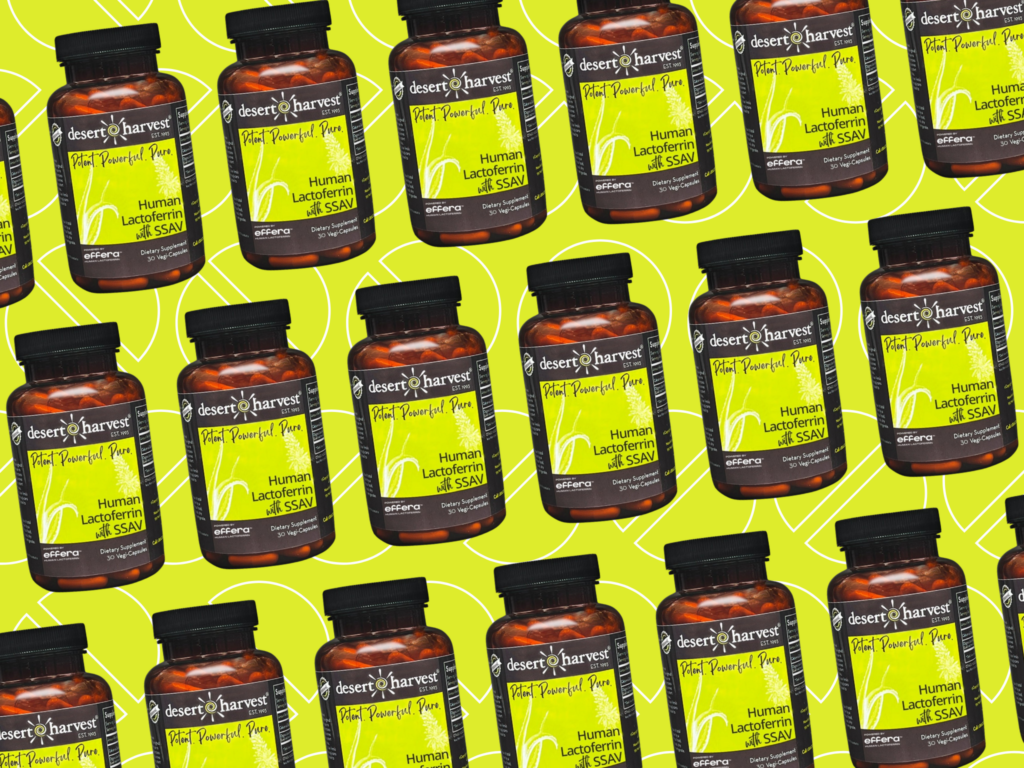
One of the main issues with precision-fermented proteins is the cost difference with the ingredients they’re trying to replace. That problem is less pertinent with lactoferrin, which already goes for hundreds to a couple of thousand dollars per kg.
“Highly purified lactoferrin is a premium ingredient regardless of source. For effera, pricing varies by format, volume, and partnership structure,” says Katz, noting that Helaina doesn’t disclose a single price point.
“Our scale-up roadmap is designed to make human-identical lactoferrin more accessible over time. That includes improving fermentation yields, optimising downstream purification, and increasing the efficiency of production runs. Those are the levers that ultimately drive cost down while preserving quality,” she adds.
Helaina has already scaled up its production to the tonnes, with each run yielding over 10 million efficacious servings. “From here, scale-up is focused on expanding reliable manufacturing capacity for high-quality human lactoferrin with partners while continuing to strengthen quality systems,” says Katz.
That’s something bovine lactoferrin suppliers have historically struggled to do, given dairy’s naturally lower concentration of lactoferrin per ounce of bovine colostrum. “That ensures brands can confidently plan product pipelines across women’s wellness, performance, immune health, and emerging hair, skin and nails applications.”
Helaina targets hair, skin, nail and vaginal health with effera
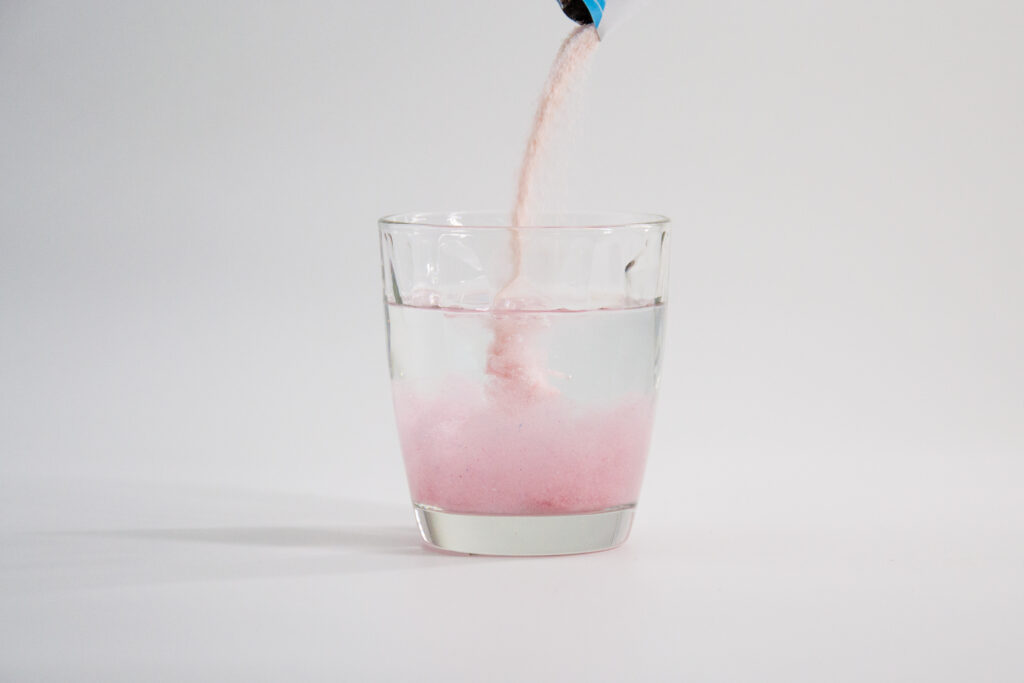
Helaina’s progress has been propped up by the $83M it has secured from investors to date, including a $45M Series A raise in 2024, one of the year’s largest funding rounds for alternative proteins.
While that was a bumper year for investment in fermentation companies, the returns were modest in 2025, as food tech VCs continued to exercise caution. “The current funding environment is pushing the industry toward greater discipline, which we see as healthy,” Katz says when asked if Helaina is looking to raise more money.
“It emphasises real demand, strong unit economics, and defensible science. Our focus remains on execution. We are building a platform for human bioactives designed to work with human biology. That requires long-term thinking, not chasing short-term hype cycles.”
Helaina did not disclose how much runway it currently has, though Katz says: “We raised capital with a clear purpose: to move from scientific validation to commercial reality. That includes scaling production, expanding partnerships, and continuing to build a strong clinical evidence base.”
Having self-determined effera as Generally Recognized as Safe (GRAS) in the US, Helaina’s ingredient has been formulated into around a dozen consumer products across women’s wellness, gut health, recovery, and performance.
“Over the past year, we have averaged approximately one new commercial launch per month – a notable pace for a relatively new functional ingredient. We are encouraged by this momentum, and look forward to several additional brand launches in the near term,” says Katz.
Beyond women’s wellness, Helaina is witnessing strong interest in human lactoferrin from several emerging categories. “Hair, skin, and nail health is one area where its role in supporting healthy cell turnover is particularly compelling,” she says.
“We are also seeing growing demand from partners exploring vaginal health supplementation, where immune balance, vaginal microbiome support, and human lactoferrin’s antimicrobial properties are directly relevant and increasingly top of mind for consumers.”

link